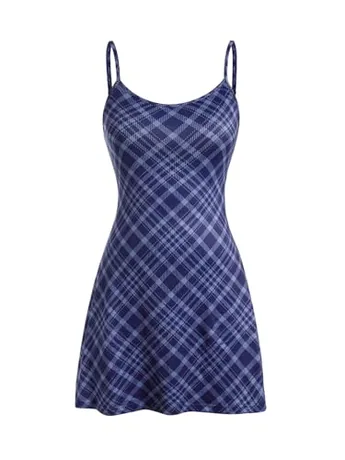
Dress
Mini Plaid Dress, Blue (Medium)
Medium · sleeveless
$9.99+2
A range this size is a good problem and a real one. These are the rules we use ourselves to get from thousands of pieces to the four that matter.
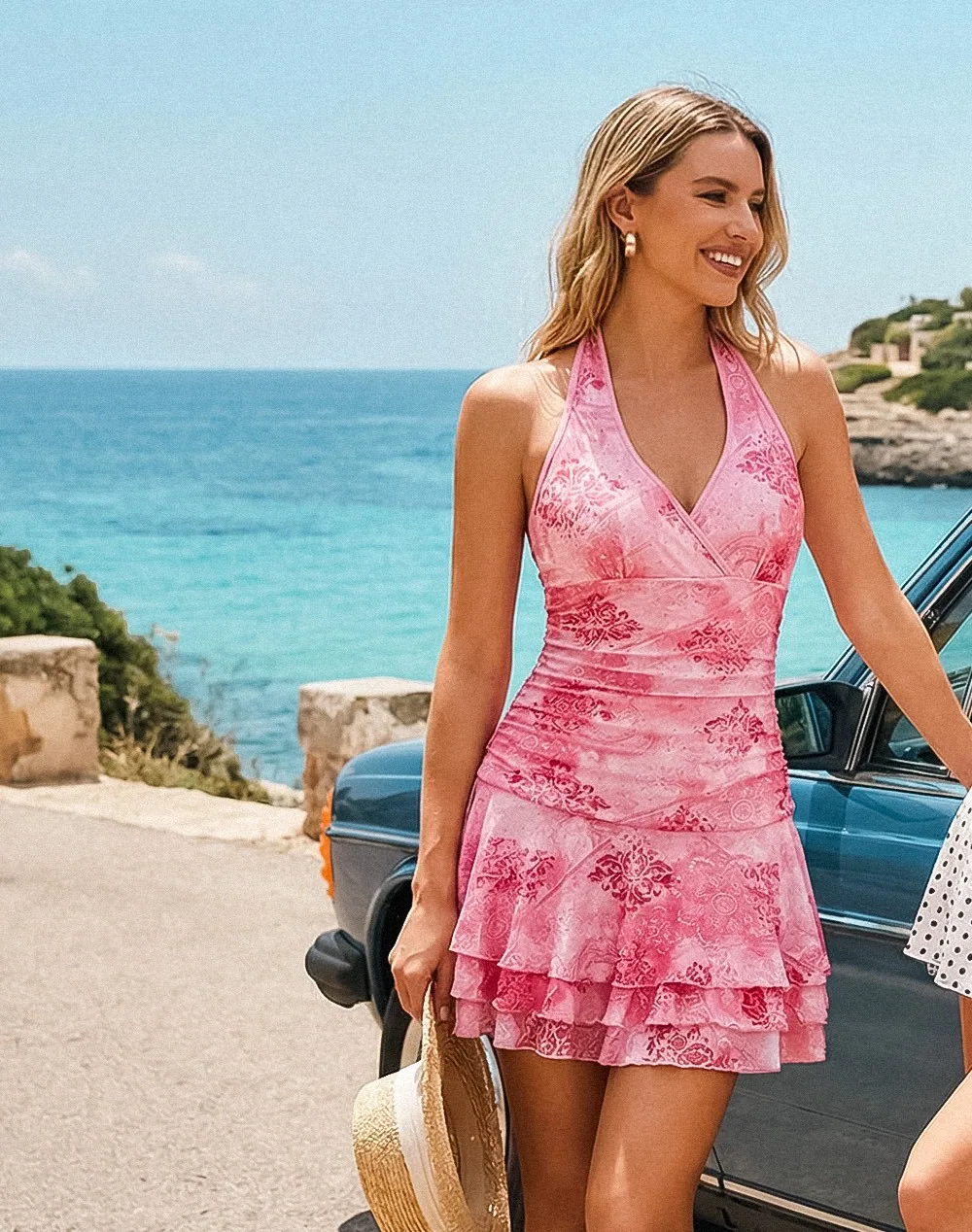
Choice is not the same as help. A range of three thousand pieces gives you a much better chance of finding the right thing and a much better chance of buying four things you never wear.
We built the range, so the first problem is ours to admit. What follows is how to make the second problem somebody else's.
Price tells you what you paid. Cost per wear tells you what it was worth. Divide one by the other and every argument about whether something is cheap resolves itself.
A basic ribbed top worn weekly for a year costs a few cents a wear. A sequin dress worn twice costs more per wear than a coat. Neither number is a verdict. They just stop you pretending the dress was the sensible purchase.
The useful move is to guess the wear count before you order. Under five, it is an occasion piece and should be priced like one. Over thirty, it is a staple and worth spending up on fabric. Between the two is where most regret lives.
Two things, both real.
First, silhouette variety. If you already know that a square neck suits you and a scoop does not, a big range means you can hold that requirement and still have dozens of options rather than two. Narrow ranges force you to compromise on shape, which is the one thing that decides whether a piece gets worn.
Second, colour. The same shape in fourteen colours means you can buy the one that works with what you own instead of the one that happened to be made. That is a quiet advantage and it is worth more than most feature lists.
Also two things, and we would rather say them than have you find out.
A range this size is not curated. Nobody has decided for you which twelve pieces are the good ones, and the filters cannot tell taste from noise. If you want a shop that has already made the decision, this is not that shop.
And breadth spreads depth thin. A specialist making forty pairs of trousers will beat us on trousers. What we offer instead is that the trousers, the top and the jacket can come from one place in one order, which is a different kind of win and not the same one.
One rule kills more bad orders than any other. Before adding anything, name four complete outfits it goes into, using clothes you already own.
This is not frugality theatre. It is the difference between a wardrobe that combines and a wardrobe that is a collection of single answers.
Most wardrobes fail on colour rather than fit. Everything fits and nothing goes together, because each piece was bought against a white background rather than against the other things you own.
A workable structure is three neutrals and two accents. The neutrals carry the bottoms and outerwear, the accents live in tops and dresses where a strong colour is doing visible work. Any piece that does not sit in one of those five groups needs a reason.
This is the argument for buying a shape you like in a second colour instead of a new shape. It looks like less variety and produces more outfits, which is the only variety that counts.
Counted from our own range on the date below, not estimated.
| Department | Pieces | Typical price | Widest choice |
|---|---|---|---|
| Dresses | 484 | $24.99 to $39.99 | Dress (484) |
| Tops | 508 | $14.99 to $24.99 | T-Shirt (132) |
| Bottoms | 730 | $19.99 to $35.99 | Skirt (230) |
| Sets & Outfits | 216 | $23.99 to $38.99 | Outfit Set (216) |
| Bodysuits & Jumpsuits | 333 | $19.99 to $27.99 | Bodysuit (172) |
| Swim & Beach | 216 | $19.99 to $28.99 | Swimsuit (188) |
| Sleep & Basics | 190 | $17.99 to $26.99 | Sleep Set (143) |
| Outerwear | 160 | $22.99 to $37.99 | Knitwear (125) |
| Men's | 250 | $19.99 to $32.99 | Outfit Set (50) |
| Girls & Boys | 207 | $14.99 to $29.99 | Jeans (54) |
Two readings of that table are useful. Departments with more pieces are where the four-outfit test pays off most, because there is genuinely a better match one page further in. Departments with fewer are where you should decide quickly, since the shortlist is the whole list.
Whatever you wear weekly. Plain tops in your two neutrals, one pair of bottoms that fits, the sleep set you actually reach for. Repetition is the point. Nobody notices, and laundry stops being a scheduling problem.
Anything with a strong personality. A print, a statement dress, a colour that is entirely itself. These earn their place by being distinctive, and buying a second one dilutes the first.
The piece bought for the person you plan to become. The size that will fit after something. The trend you noticed this week and had not thought about last week. All three are the same purchase wearing different clothes.
Fibre content and care instructions decide more about whether a piece survives than any photograph does. Both are regulated, and both are more informative than they look.
the respective generic names of all fibers present in the amount of 5 per centum or more of the total fiber weight of the textile fiber product shall be used when naming fibers in the required information
That single rule is why a fabric line is worth ten seconds. It tells you about stretch, about breathability and about how the piece will behave after washing, all before you have looked at the price.
Care labels carry a stricter obligation than most shoppers realise: the words on them are not a suggestion from the maker, they are a claim the maker has to be able to stand behind.
To fail to possess, prior to sale, a reasonable basis for all regular care information disclosed to the purchaser.
So read a hand wash label as information rather than as a warning. It is the maker telling you what the fabric will not survive. The fuller version of that argument is in the piece on what each fabric really does.
The other label rule worth knowing is that warnings have to be unambiguous.
The warning must use words “Do not,” “No,” “Only,” or some other clear wording.
So a label that says do not tumble dry means exactly that, and the piece that came back a size smaller usually came back that way from a dryer.
It sounds slower than it is. After the first two orders in a department you know how it runs, and the whole sequence collapses to about a minute.
Sizing is the step people skip and the step that causes almost every return. The full version of it is in what a size chart can and cannot tell you, and it is worth the ten minutes once.
Half of what gets returned did not need to be. The other half should have gone back and did not, and sat in a drawer for two years instead.
Wrong in the shoulders, wrong in the rise, or wrong in a way that needs a tailor who costs more than the piece. Shoulders and rise are the two places nothing can be done cheaply, and a piece that fails there will never be worn no matter how good the colour is.
Too long, too loose at the waist, straps that slip, a hem that sits half an inch wrong. All four are twenty minutes with a needle or ten with a tailor, and all four turn a nearly-right piece into a favourite. A shortened hem is the highest-return alteration there is.
Returns are handled at checkout by our retail partner, so their window is the one that applies. Work out which pile a piece belongs to on the day it arrives rather than on the last day of the window, when the answer is always to keep it and regret it.
Nobody needs a lecture about trends. A more useful frame: buy the shape of a trend, not the whole outfit of it.
One trend piece per season, in a colour that already lives in your wardrobe, gets worn. Three trend pieces in the trend colours get worn twice each and then read as dated together, because they date as a group rather than one at a time.
The pieces that survive the longest in the range are the plainest ones, and that is not a coincidence. Shape outlives styling. A good plain top from four years ago still works and the printed one from the same order does not.
Do not buy a whole outfit from photographs in one order. Styling shots are built to sell the set, and a set bought whole tends to be worn whole or not at all.
Buy the piece you would wear with things you already own, then decide whether it needs company. The wardrobe that results is smaller, cheaper and worn far more, which is the only outcome any of this is aimed at.
Where this came from
Office of the Federal Register
16 CFR Part 423, Care Labeling of Textile Wearing Apparel
Office of the Federal Register
16 CFR Part 303, Rules under the Textile Fiber Products Identification Act
Every source above was opened and read on the date shown. Where a page says something we cannot verify ourselves, we quote it and name it rather than restating it as our own.
Shop what this piece is about
Medium · sleeveless
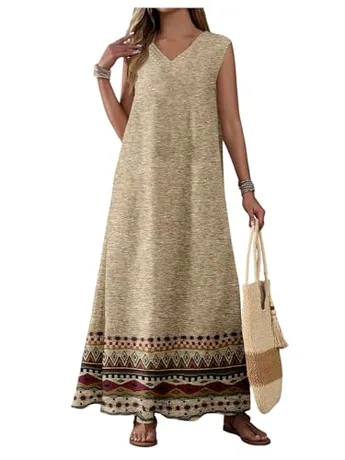
Large · sleeveless
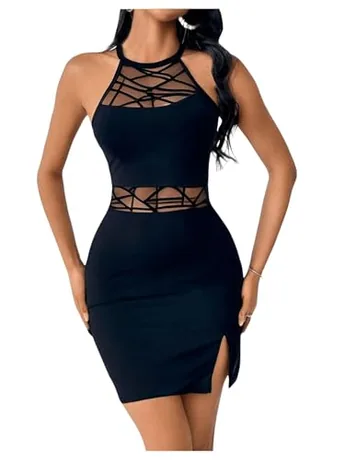
X-Small · sleeveless
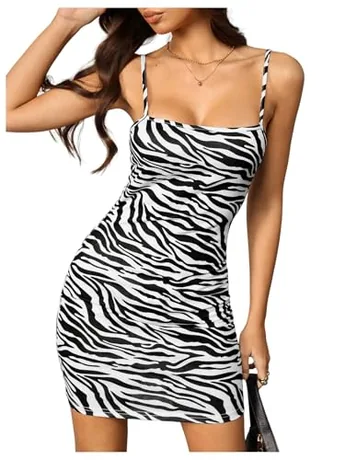
Small · sleeveless
Keep reading

Why the same size fits twice and fails once, how to measure yourself in four minutes, and the one line on a label that decides everything.
1,623 words
What polyester, viscose and elastane are by legal definition, which fabrics go see-through, and the safety standard every garment sold here already meets.
1,700 words